In this piece, I explore the idea of images disappearing and moving in a sculpture. I worked independently, printing photographs of Chinatown six times on transparent plexiglass, becoming fainter with each print, and suspended them from a handmade rotating carousel using nylon thread and wooden dowels. As the carousel turns, parts of the images overlap, fade, and eventually disappear from view entirely. I use movement and transparency to show a community slowly fading as the neighborhood changes, reflecting on how easily its history can be lost.
Inspired by Byron Kim’s Synecdoche, I independently created sixteen wooden panels representing the largest AAPI ethnic groups. Each combines a culturally significant flower with a traditional textile pattern, allowing each panel to show its own visual identity. When assembled into a single grid, the individual works become a collective portrait of the AAPI community. By showing only sixteen of approximately seventy-five ethnic groups, the work also draws attention to the many identities that remain unseen within the wider community.
My painting portrays a character looking at an old photograph of a Chinatown in its heyday, while a puddle reflects the same street today. Using both historical and contemporary reference photographs of a puddle, I created a composition with a specific point of view. I imagined bringing these two moments together to show the history that has disappeared and to preserve the memories attached to it. Learning about lost Chinatowns, including Newark’s, inspired me to preserve these histories before they are forgotten by the cruel hand of time.
After speaking with AAPI community member Charlie Chin during a museum visit, I was inspired by his story to paint an immigrant father working in a restaurant surrounded by customers from the past. At the time, I happened to be taking an art class where I was working on a transcription of a Norman Rockwell painting. I apply undertones of Rockwell's nostalgic, narrative realism to my own work. The mirror behind the figures reflects an empty room, revealing that the diners are actually ghosts. They represent those who once gathered in places like this but have since moved on. Here I seek to capture a moment that no longer exists and preserve the memory of immigrant families, businesses, and the neighborhoods they built.
I created these two watercolors in a painting class outside of school, using family photographs as references. In A Reflection Only She Can See, I painted my 96-year-old great-grandmother from an unposed photograph of her looking into a mirror. I have only met her once, and we do not share a fluent language, so much of her life exists for me through photographs and family stories. I was drawn to the quiet moment of her looking at her own reflection, seeing a lifetime that I can only know in fragments. Painting her became a way for me to connect with her across generations and preserve part of a story I am still learning.
In Before The Floodwaters, I painted myself with my grandmother from a photograph taken when I was young. After a flood destroyed many of the childhood objects my family had saved, I began thinking differently about photographs and the memories they preserve. Painting this photograph became a way for me to hold onto an ordinary moment that could otherwise disappear.
In this piece, I explore migration and belonging through flowers and architecture. I worked on these three drawings as one piece, combining Asian flowers with Asian-inspired buildings that were built in the United States. I chose lotus flowers, cherry blossoms, and chrysanthemums, all blooms that originated in Asia but were brought to the U.S. and now flourish here. I used the flowers as a metaphor for immigrants: transplanted here from Asia, they adapted to a new environment and eventually became part of the American landscape. By placing the flowers alongside these buildings, I connect their journey to immigrant communities that have built lives here while still carrying their cultures and traditions. They have also enhanced the diversity and beauty of the country. Like the flowers, they came from somewhere else, but they have grown, endured, and made America their home.
I created this drawing for my AP Art Inquiry. I wanted to explore how people sometimes hide parts of themselves in order to fit the expectations around them. Here, I have created a colorful mixed media portrait with a grayscale layer underneath, using hands to pull back the outer face and show what is being concealed. The hands and strings represent the outside pressures that can shape how someone presents themselves, while the hidden part of the face shows the emotions and parts of the figure’s identity that she keeps to herself. I use the contrast between color and grayscale to show the difference between the person others see and the true person underneath. Through this piece, I show how constantly changing or hiding yourself to fit in can slowly make parts of your identity feel invisible, and the tone is intended to be melancholic and regretful.
This drawing started as an observational drawing that I created for my AP Art inquiry. I learned how to render using graphite pencils to create value and contrast, building depth and emphasis in a monochromatic composition. I chose objects that symbolize childhood, wonder, the passing of time, and hints of burgeoning adulthood, including the butterfly as a symbol of metamorphosis. By placing these objects together, I explore the feeling of growing up while still holding onto childhood curiosity and astonishment.
By physically breaking apart and reconstructing my original drawing, Drifting Through Memories (2025), I portray the disorienting feeling of living in a fragmented world that has been haphazardly pieced back together. The girl is shown trying to escape this unfamiliar and distorted world, surrounded by pieces of memories that no longer seem to fit together. I heat-transferred my original drawing onto fabric, then cut it apart and sewed it back together, turning a two-dimensional drawing into a physical, three-dimensional space.
This was my first oil painting and I created it during my own time. I set up a still life using objects from my own family, including my mother’s wedding qipao, a jade bracelet that was passed down from my grandmother, a red envelope from my great-grandparents who have passed away, a jewelry flower holder and turtle figurine from them, and a chest that was given to our family by my uncle. I also included a photograph of my great-grandparents because many of these objects remind me of them. I arranged everything together as a still life, using the red fabric to connect the different objects throughout the composition. These objects may seem random at first, but each one is a part of my family’s story. By painting them together, I preserve my family history and the memories and traditions that have been passed down through generations.
I explore how the way we see ourselves can affect our sense of identity. This self-portrait is viewed through a glass bottle, using the shape and reflections of the glass to distort parts of my face. I focus on how the same face can look different depending on what it is seen through. The distorted reflection represents how our view of ourselves is not always clear or accurate. Through this piece, I show how identity can feel different depending on how we see ourselves and how we think others see us.
I am interested in immersive environments and the intersection of art and experience. This independent installation enables me to use myself as the central subject within the scene. I arranged newspaper-style images of AAPI individuals who made significant contributions but were rarely represented in mainstream news into a large question mark: “Who is represented, and who is not?” I heat-transferred the images onto fabric, using foam board behind them to cast a looming shadow. Red thread connects the images and extends toward me. My presence in the photograph reflects my ongoing search for answers about AAPI history and the people whose stories have been overlooked.
I independently constructed a house from plexiglass and layered it with archival photographs and newspaper clippings documenting AAPI history. The transparent walls allow different histories to overlap, while painted marks obscure the figures’ eyes to represent the many stories that have been overlooked or erased. By containing these histories into a house, I explore the complicated relationship between visibility, belonging, and what it means for AAPI communities to call America home.
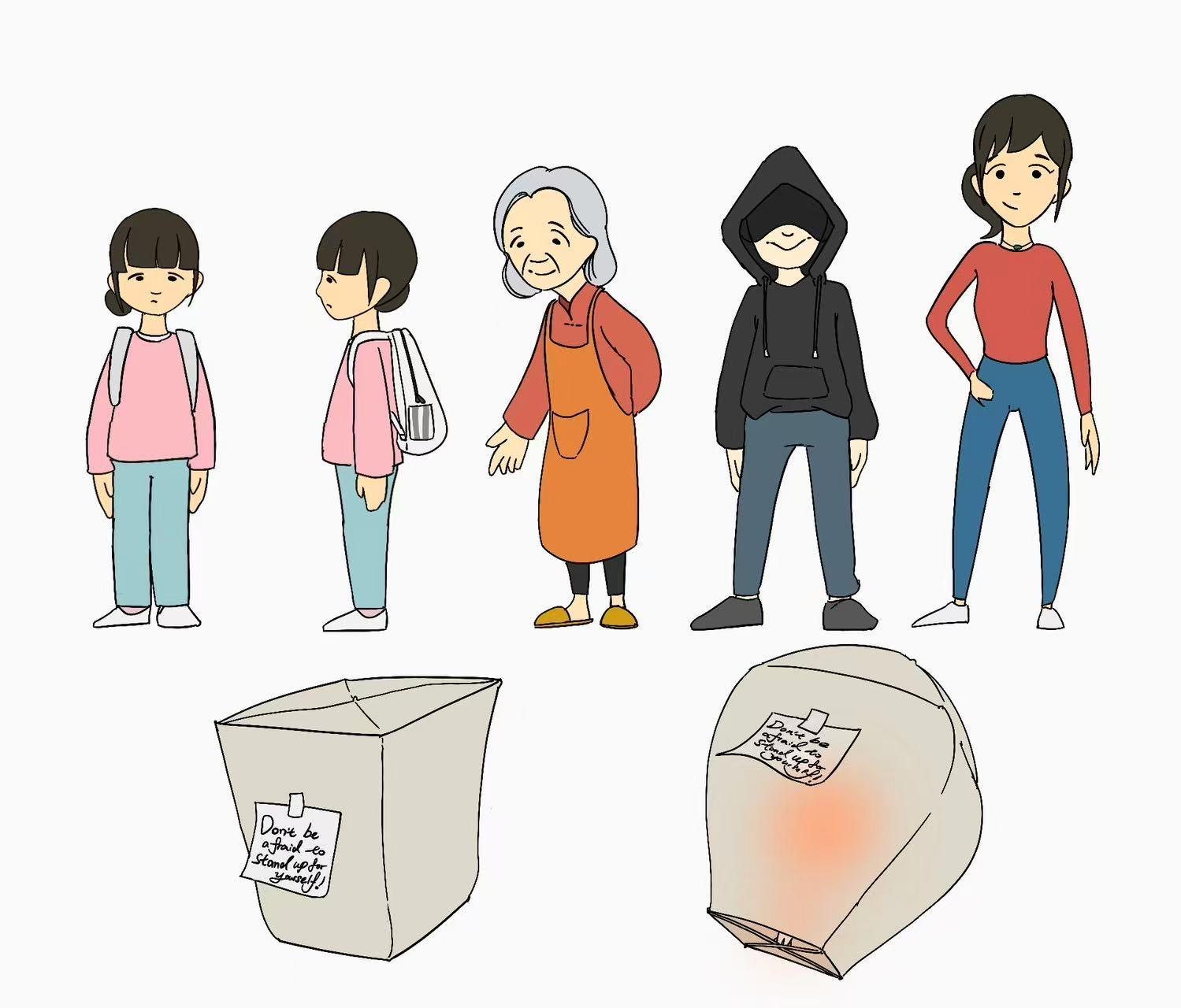
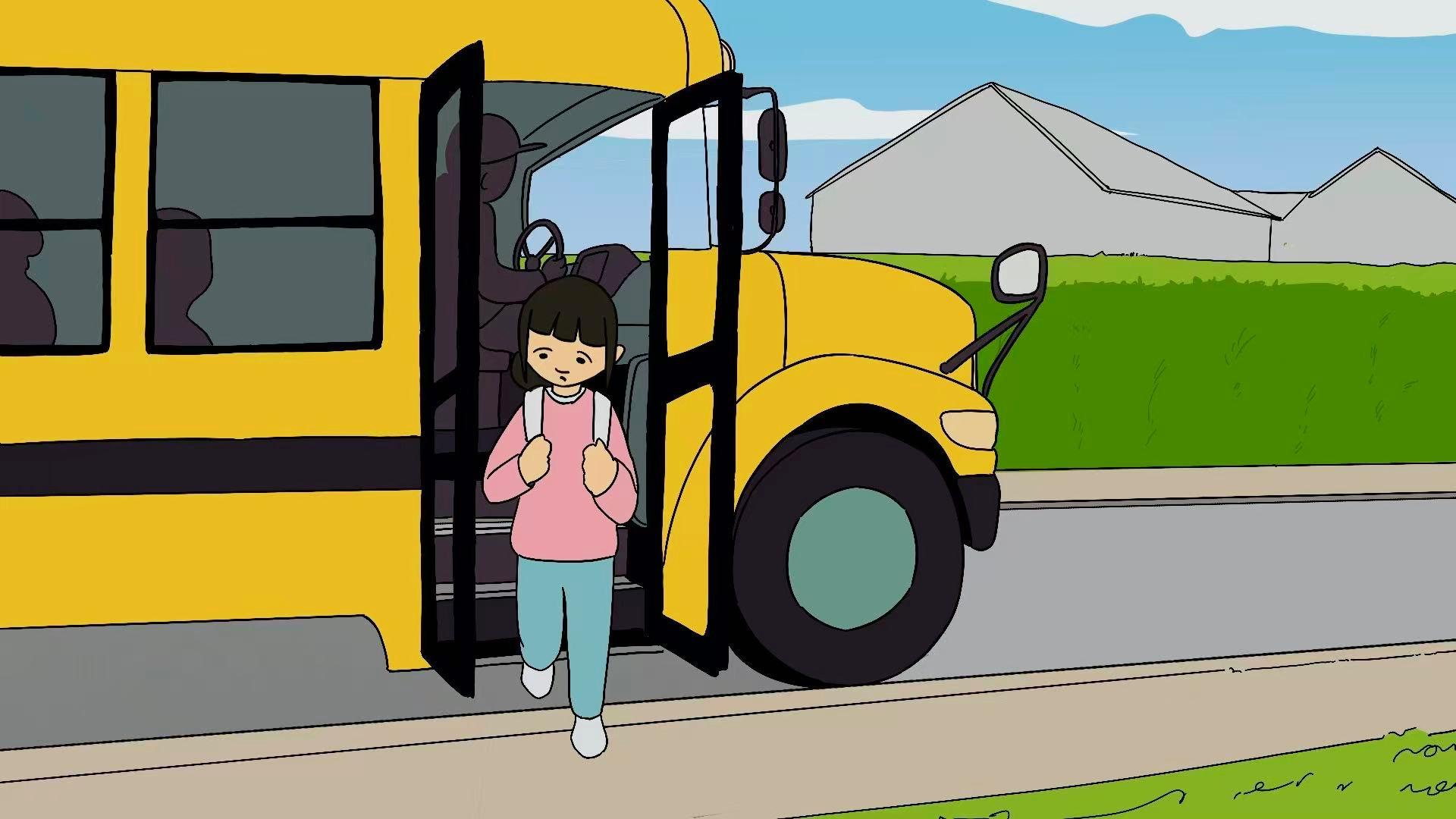
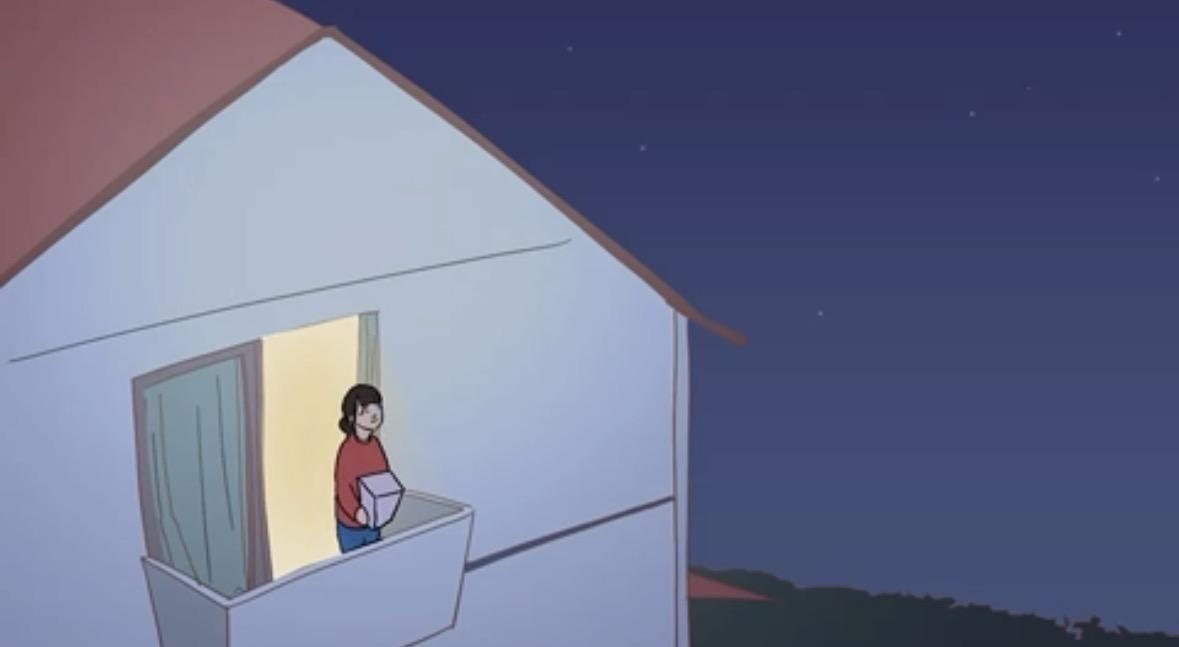
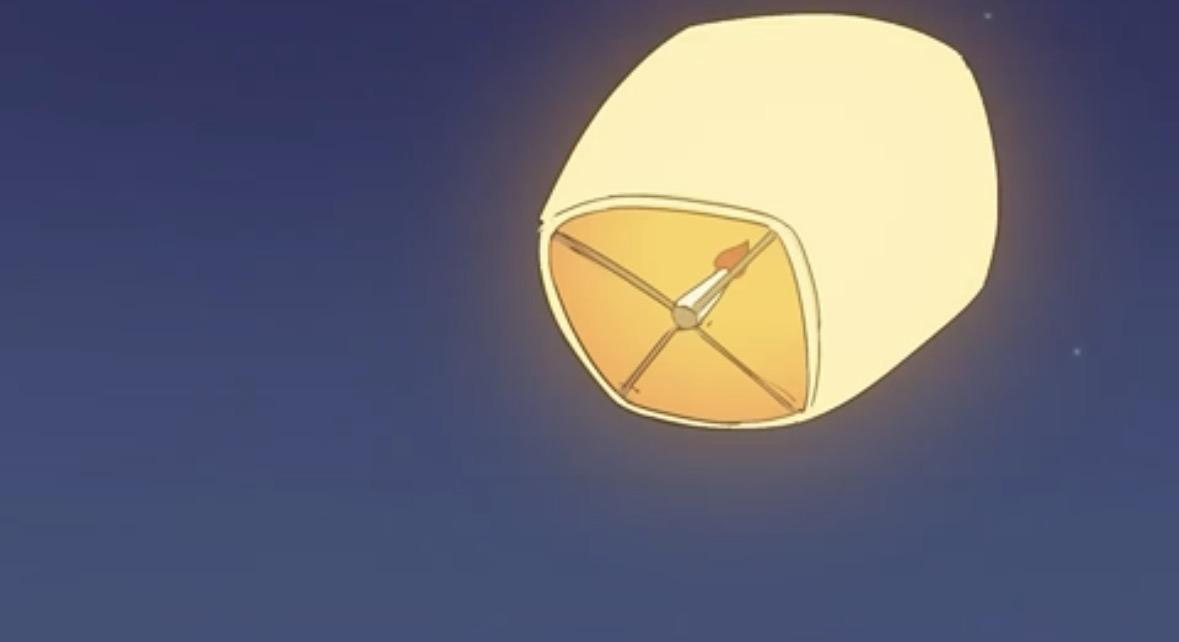
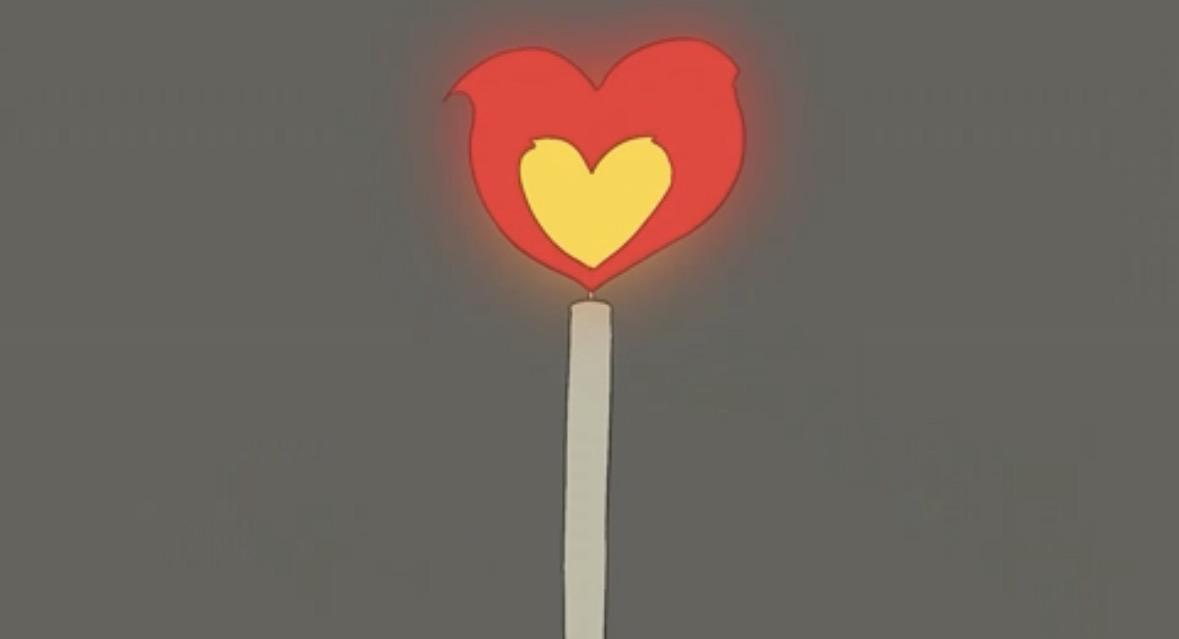
Inspired by my cousin Alina’s story, I created this animation to tell the story of an Asian American girl who is bullied at school because of her race and culture. Her classmates mock the food she brings to school and make hurtful comments like “go back to your country,” leaving her feeling ashamed of her identity and afraid to stand up for herself. In the food scene, I used exaggerated colors and distorted imagery to show how she begins to see American food differently, reflecting her feelings of insecurity and the pressure to fit in. Her grandmother gives her a light and reminds her not to be afraid to stand up for herself. I used the light throughout the animation as a symbol of courage and believing in yourself. With her grandmother’s support, she eventually finds the courage to confront the bully instead of staying silent. At the end, after she graduates, she releases the light for someone else to find. I wanted this final scene to show that the confidence and support someone gives you can be passed on, helping another person find the courage to believe in themselves and stand up for who they are.


This digital stained-glass artwork is divided into sections that symbolically represent six different characters, each a winner of a survival contest with their own story. Each figure is connected to a celestial or natural element, such as the sun, star, sky, moon, Pluto, and Jupiter, which reflects their personalities and alliances during the game. The symbols surrounding them, including hearts, swords, and flowers, represent their experiences, losses, and strengths. Although they are joined together in the composition, each character stands alone, emphasizing that there can only be one winner.
Created for my AP 2D Art portfolio, this work combines 2D digital art with 3D bookmaking to immerse viewers into the world within my mind. I created a series of digital illustrations exploring the experience of escaping an overwhelming mind, then printed and assembled them into an accordion book. As the book unfolds, each image leads into the next, creating a continuous visual journey from chaos toward escape.