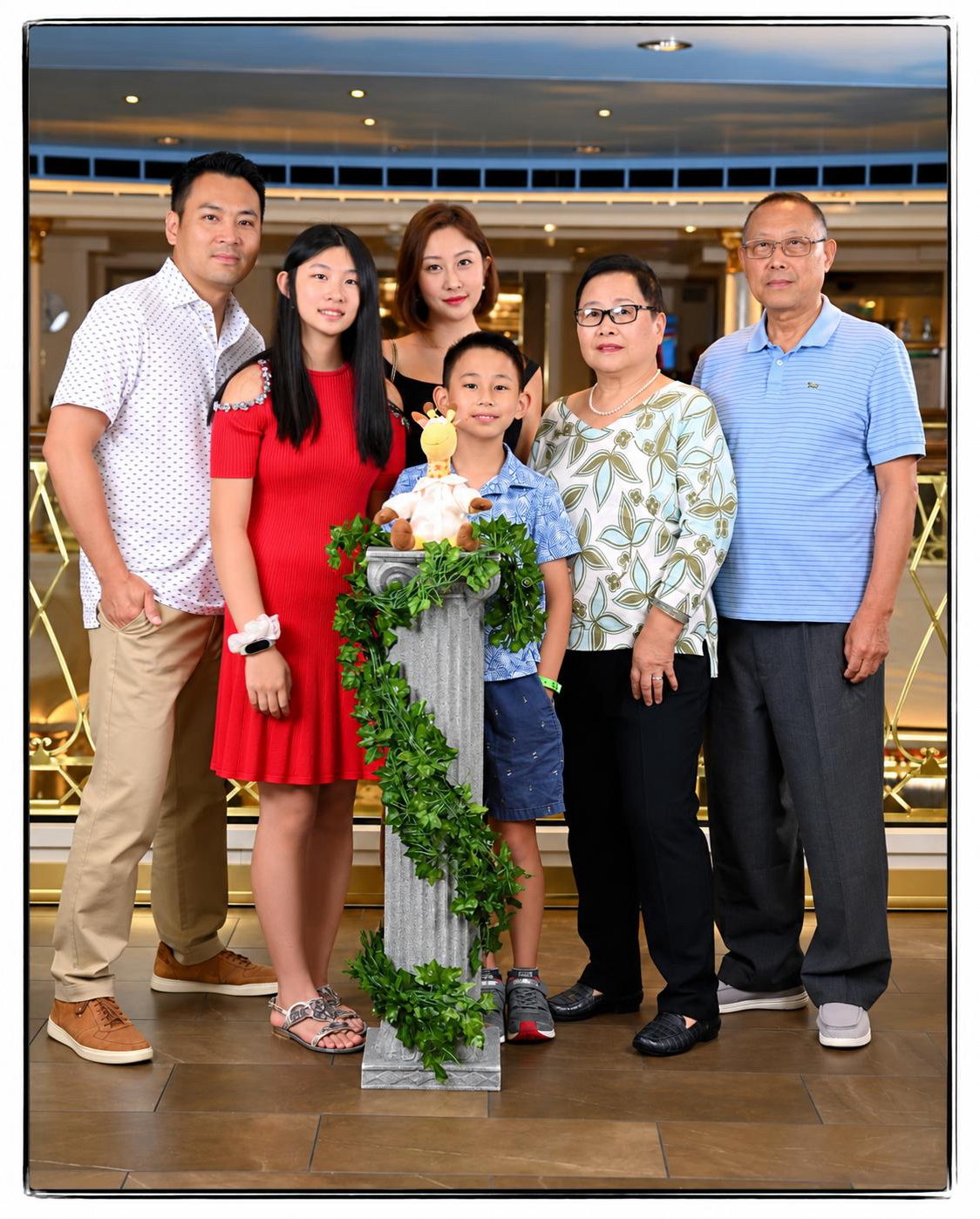
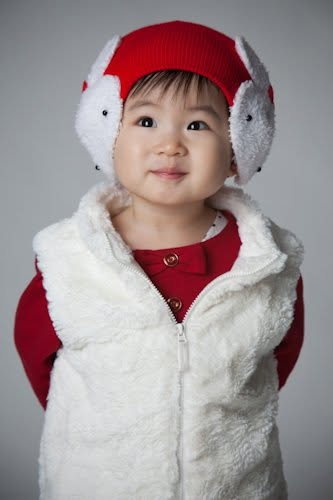
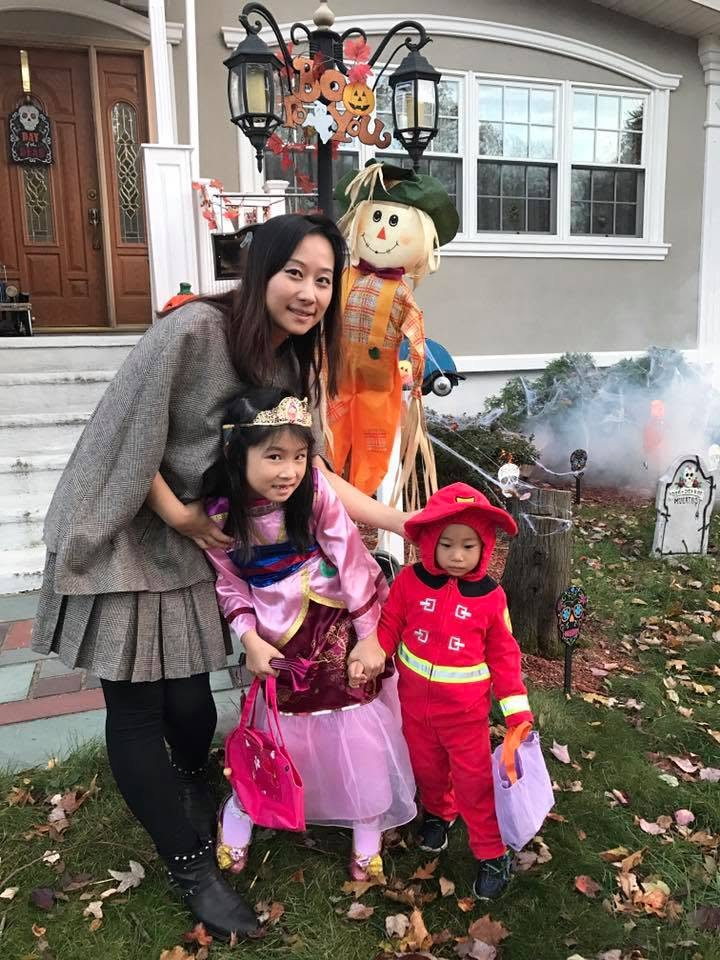
Growing up, Asian American identity was something I experienced personally before I knew how to study it. Family traditions, language, and stories connected me to my heritage, but I did not yet think deeply about how those stories fit into the larger American narrative.
Evelynn Leung03
II
My Story04
Chapter
II
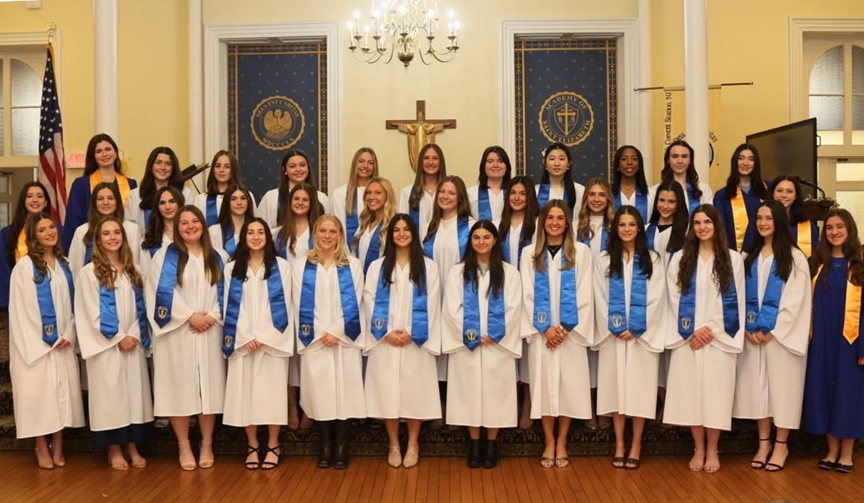
As I moved through high school, I began noticing how rarely Asian American experiences appeared in what I was learning. That absence made me curious about whose stories are included in history, whose are left out, and why some communities are much easier to find in the curriculum than others.
Evelynn Leung05
III
My Story06
Chapter
III
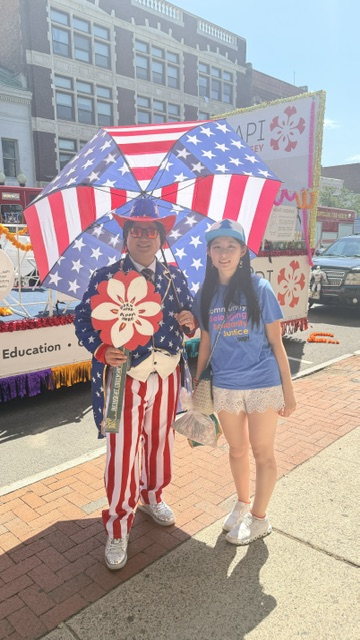
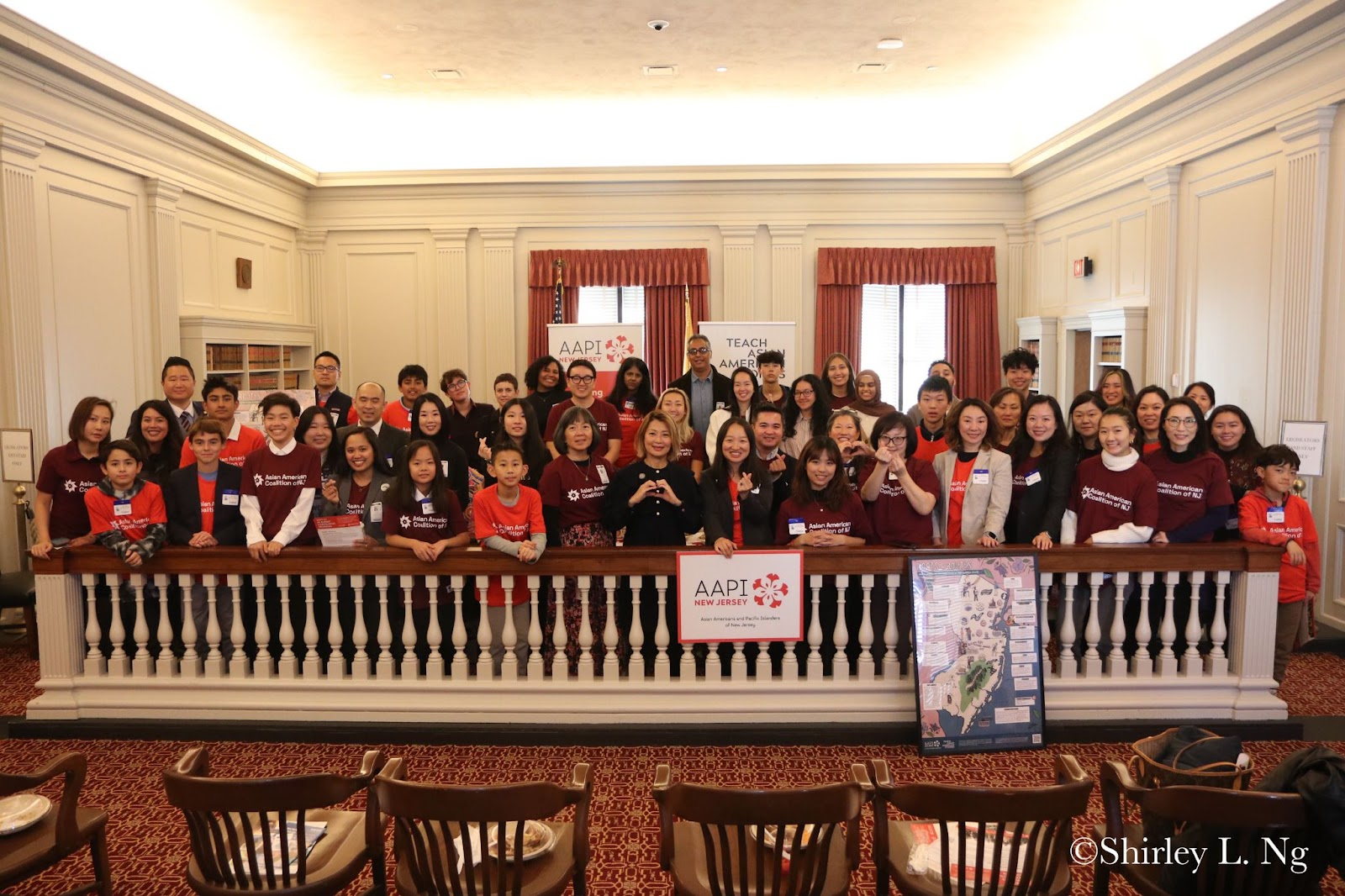
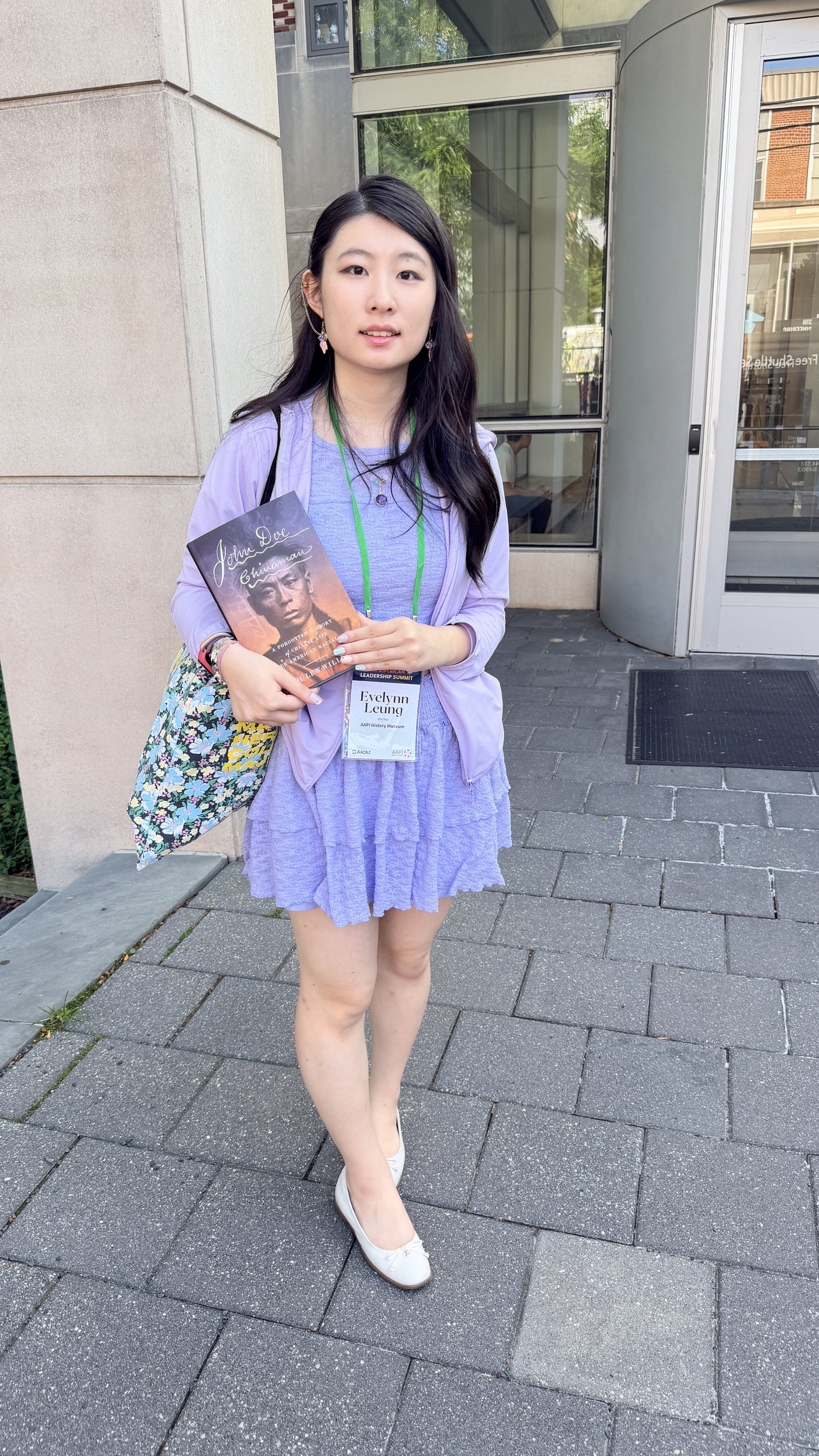
Working with Asian American community organizations made those questions feel more personal. I met people whose experiences carried histories of immigration, exclusion, resilience, and cultural change, and I became interested in how individual memories could reveal parts of history that textbooks often miss.
Evelynn Leung07
IV
My Story08
Chapter
IV
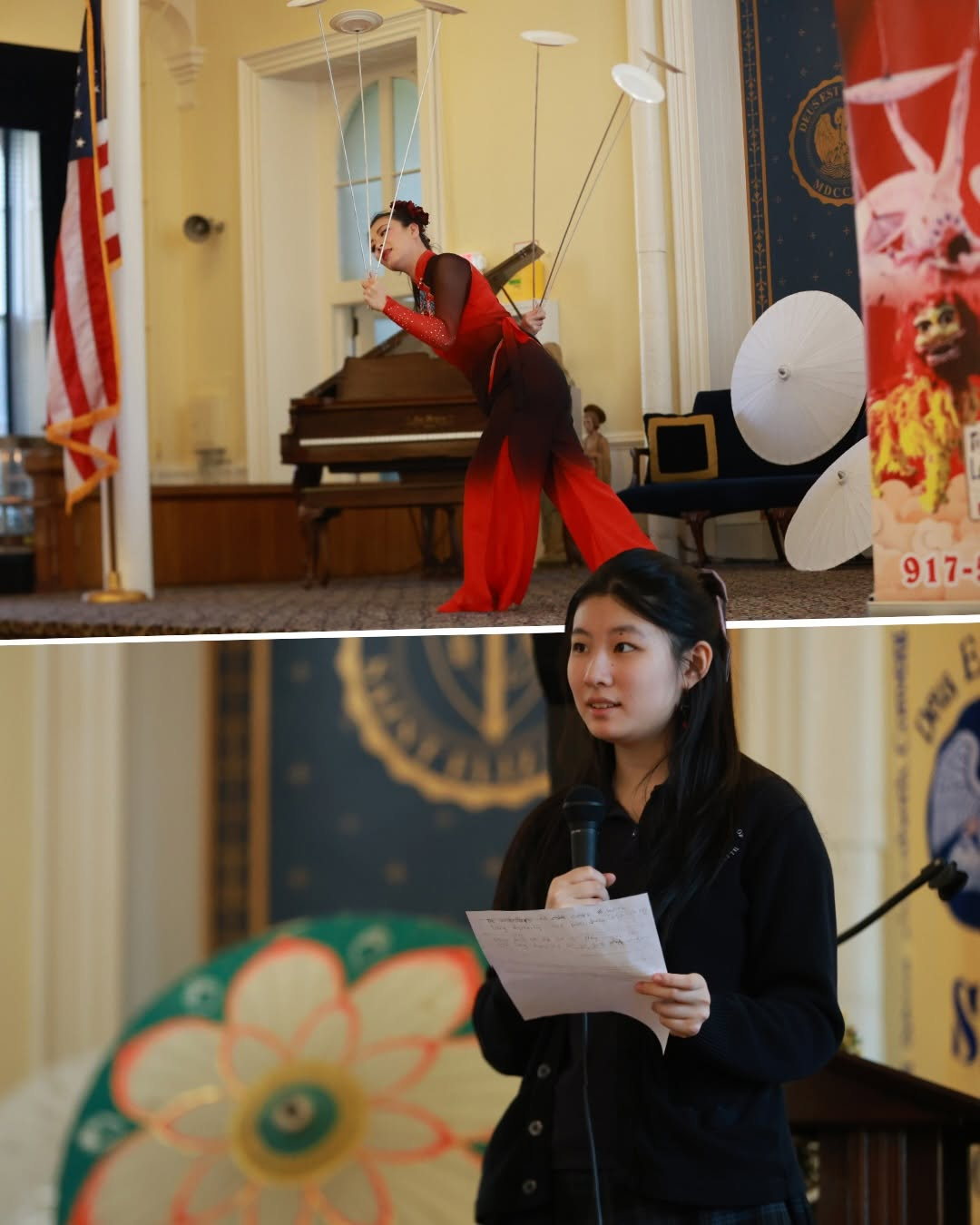
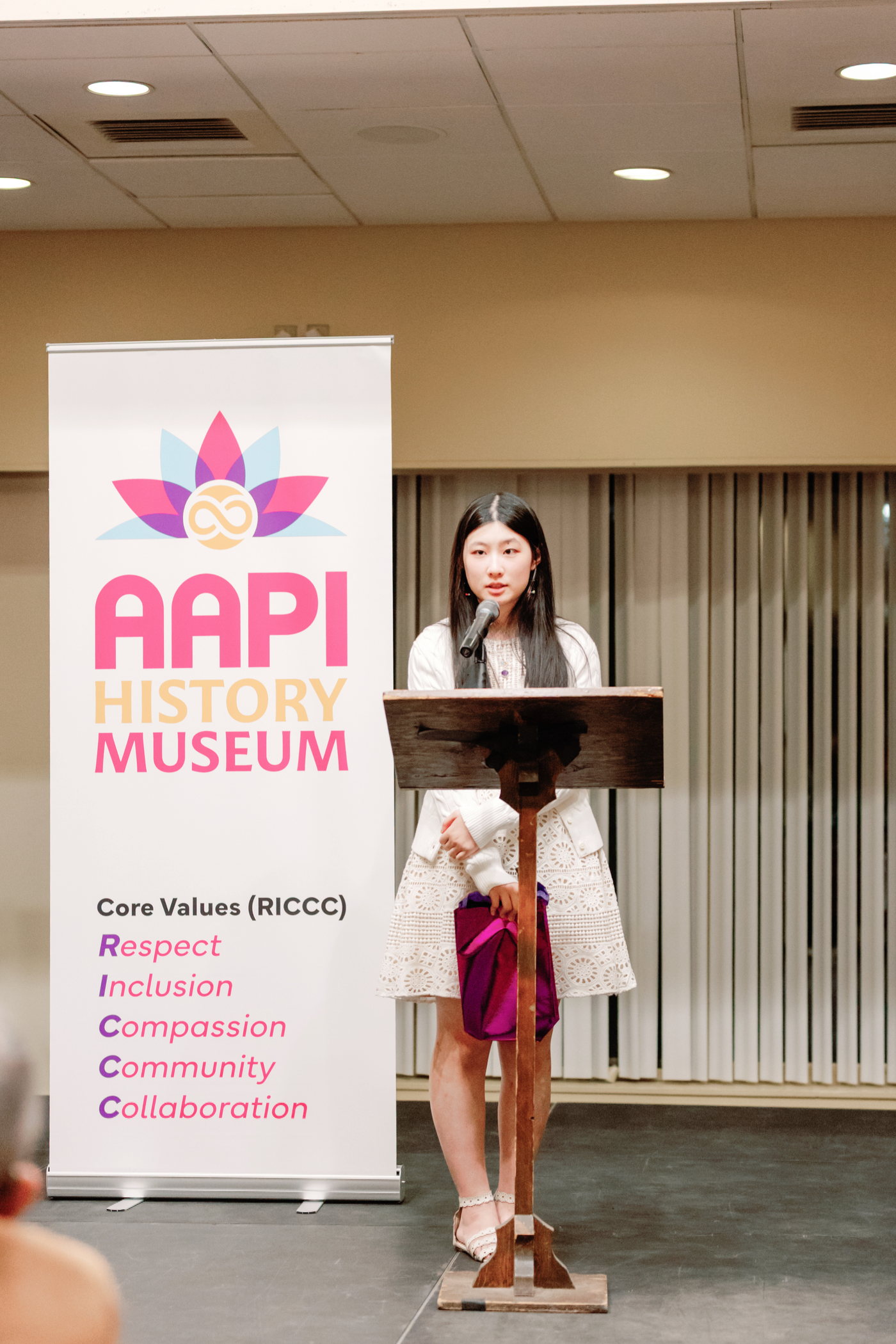
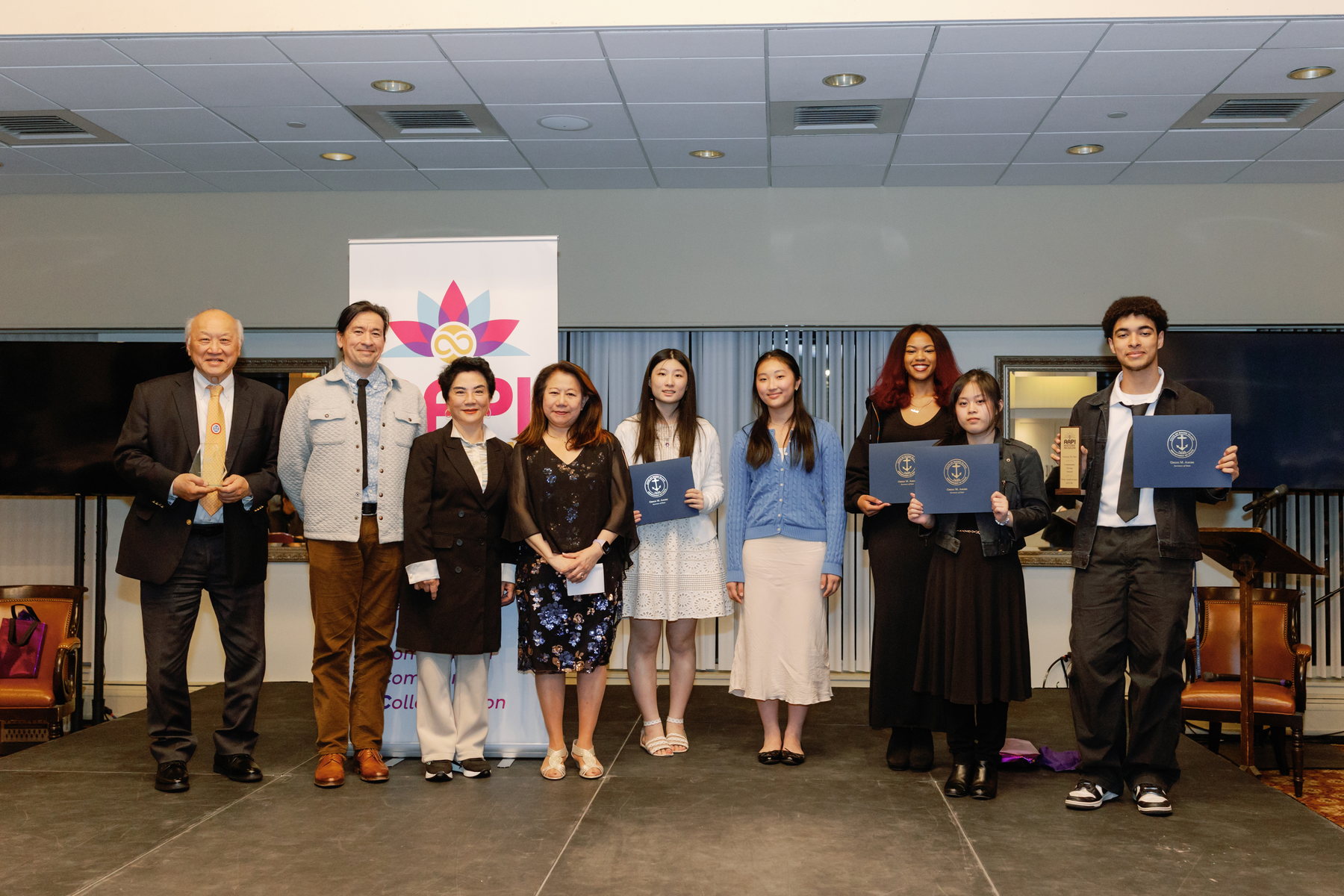
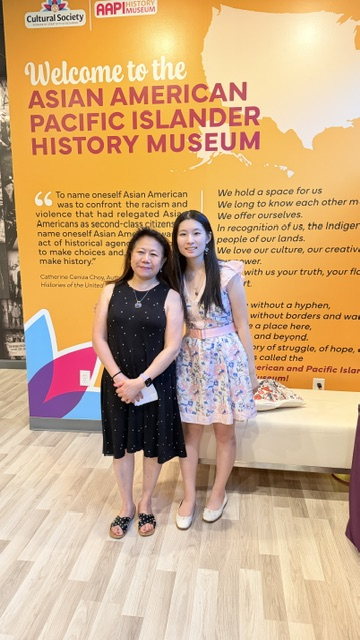
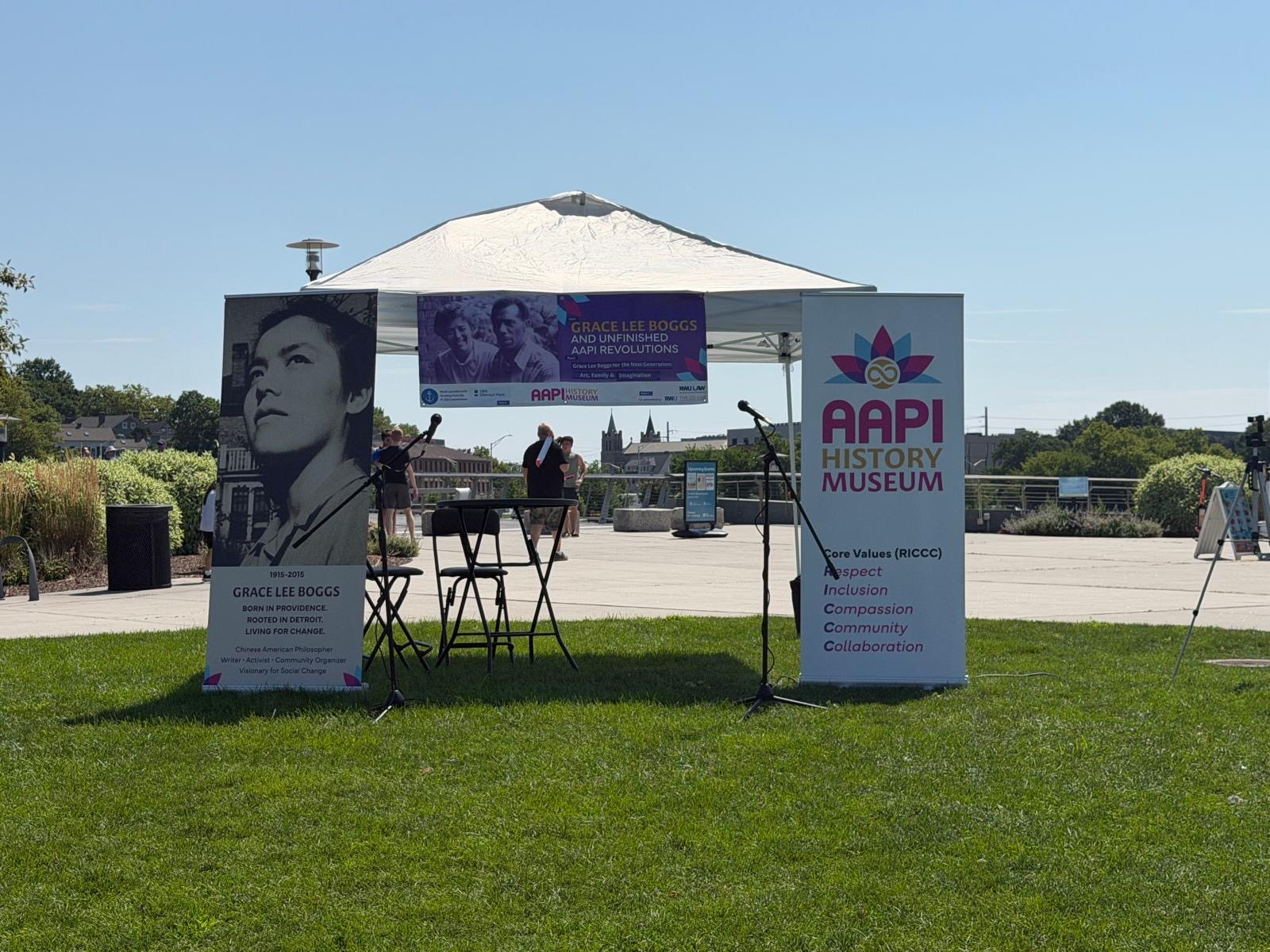
I wanted to do more than just notice which stories were missing, so I started finding ways for other young people to share their own. Through the AAPI History Museum, I created an AAPI Youth Art & Writing Competition, formed a national youth board, and organized free workshops where students, especially those with less access to coaching, could get feedback and feel more confident sharing their work.
Evelynn Leung09
V
My Story10
Chapter
V
Today, I see research and storytelling as connected ways of preserving history. I want to keep investigating overlooked Asian American experiences and learning how individual memories, art, and everyday stories can change the way we understand the past.
Evelynn Leung11
Evelynn Leung
My Story
I — V
Chapter
I
Growing up, Asian American identity was something I experienced personally before I knew how to study it. Family traditions, language, and stories connected me to my heritage, but I did not yet think deeply about how those stories fit into the larger American narrative.
Chapter
II
As I moved through high school, I began noticing how rarely Asian American experiences appeared in what I was learning. That absence made me curious about whose stories are included in history, whose are left out, and why some communities are much easier to find in the curriculum than others.
Chapter
III
Working with Asian American community organizations made those questions feel more personal. I met people whose experiences carried histories of immigration, exclusion, resilience, and cultural change, and I became interested in how individual memories could reveal parts of history that textbooks often miss.
Chapter
IV
I wanted to do more than just notice which stories were missing, so I started finding ways for other young people to share their own. Through the AAPI History Museum, I created an AAPI Youth Art & Writing Competition, formed a national youth board, and organized free workshops where students, especially those with less access to coaching, could get feedback and feel more confident sharing their work.
Chapter
V
Today, I see research and storytelling as connected ways of preserving history. I want to keep investigating overlooked Asian American experiences and learning how individual memories, art, and everyday stories can change the way we understand the past.